
The Negotiation Edge: Why the Realtor® at the Table Still Matters When It’s Time To Close the Deal
Oct 9, 2026 · Jerry Charlton – Realtor®
Everyone has the same information now. Listings, sold prices, days on market, community stats. Ask any Ai tool and you’ll have it in seconds. Realtors® days of being the sole source of real estate data are done.
That’s a good thing for consumers. Negotiation is still where real world training and experience comes in to play.
When both sides of a deal see the same numbers, the price doesn’t get set by the data. It gets set by the people at the table. That’s negotiation. And that’s the part of the job I’ve spent years training for and doing.
AI levels the field. Negotiation tilts it.
Buyers and sellers already know this. In a 2026 LendingTree survey, people were asked who they’d trust to help set an offer price. A real estate agent ranked first at 25%. An AI tool came in at 9% (source).
An industry audit in June 2026 found something more pointed. A top 10% agent outperforms a seller using AI at negotiation. But a seller using AI outperforms an average agent (source).
So the question isn’t whether you need an agent. It’s whether your agent is actually good at the negotiating table.
Trained, not just experienced
Most agents learn negotiation by trial and error, on their clients’ money. I took the formal route.
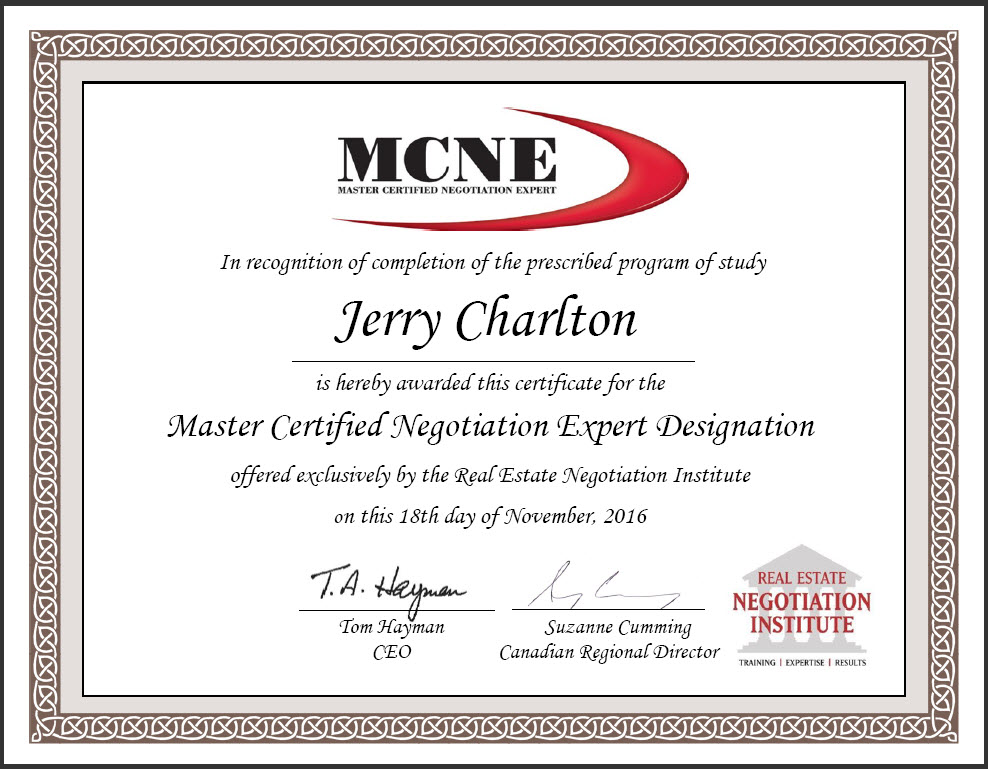
- Designation: Master Certified Negotiation Expert® (MCNE®), awarded November 18, 2016 by the Real Estate Negotiation Institute (RENI), after completing the Certified Negotiation Expert (CNE)® courses
- Program: Six courses covering negotiation theory and tactics, applied to real estate. That includes core concepts, a buyer’s suite, and a seller’s suite.
- Background: RENI is a member of the Harvard Program on Negotiation and draws on negotiation research from around the world.
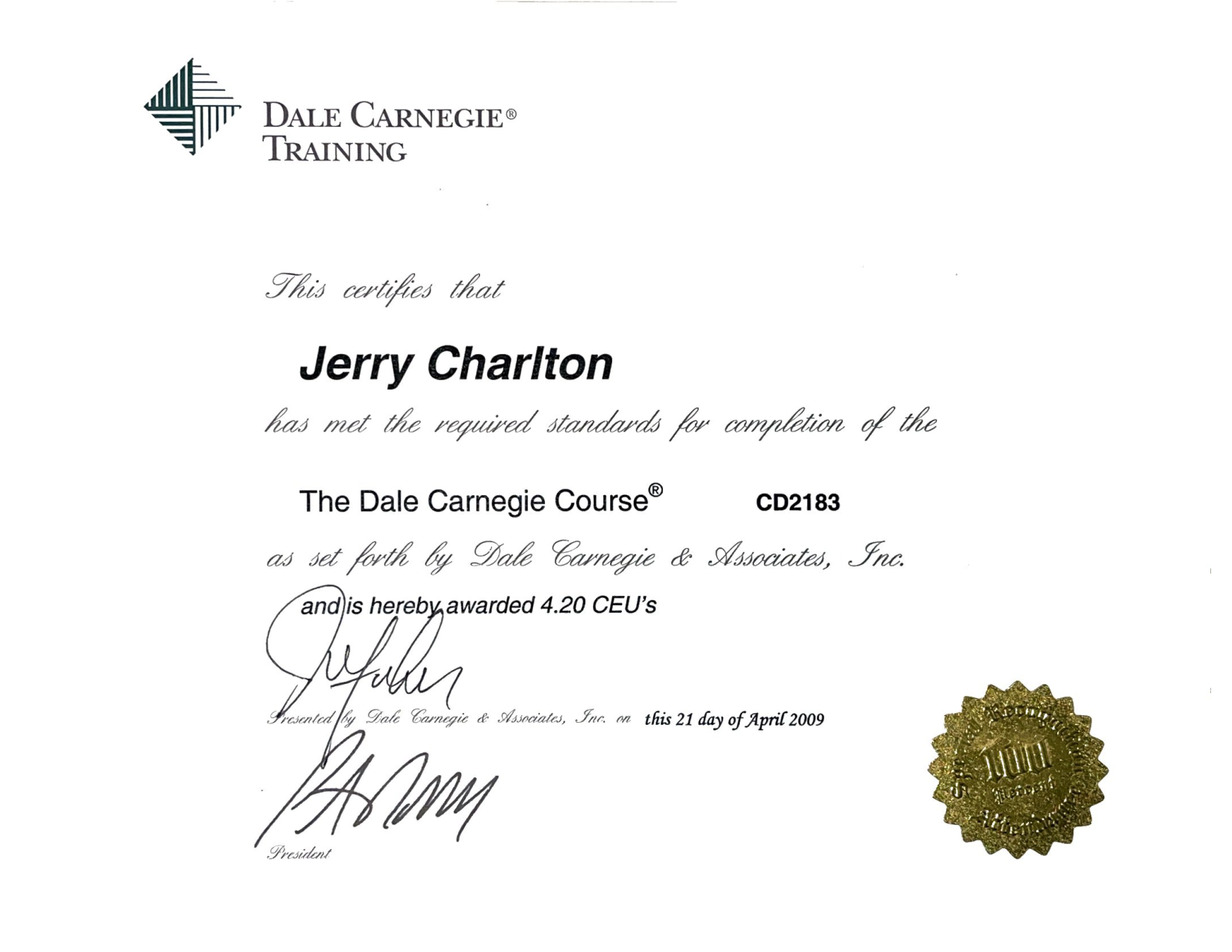
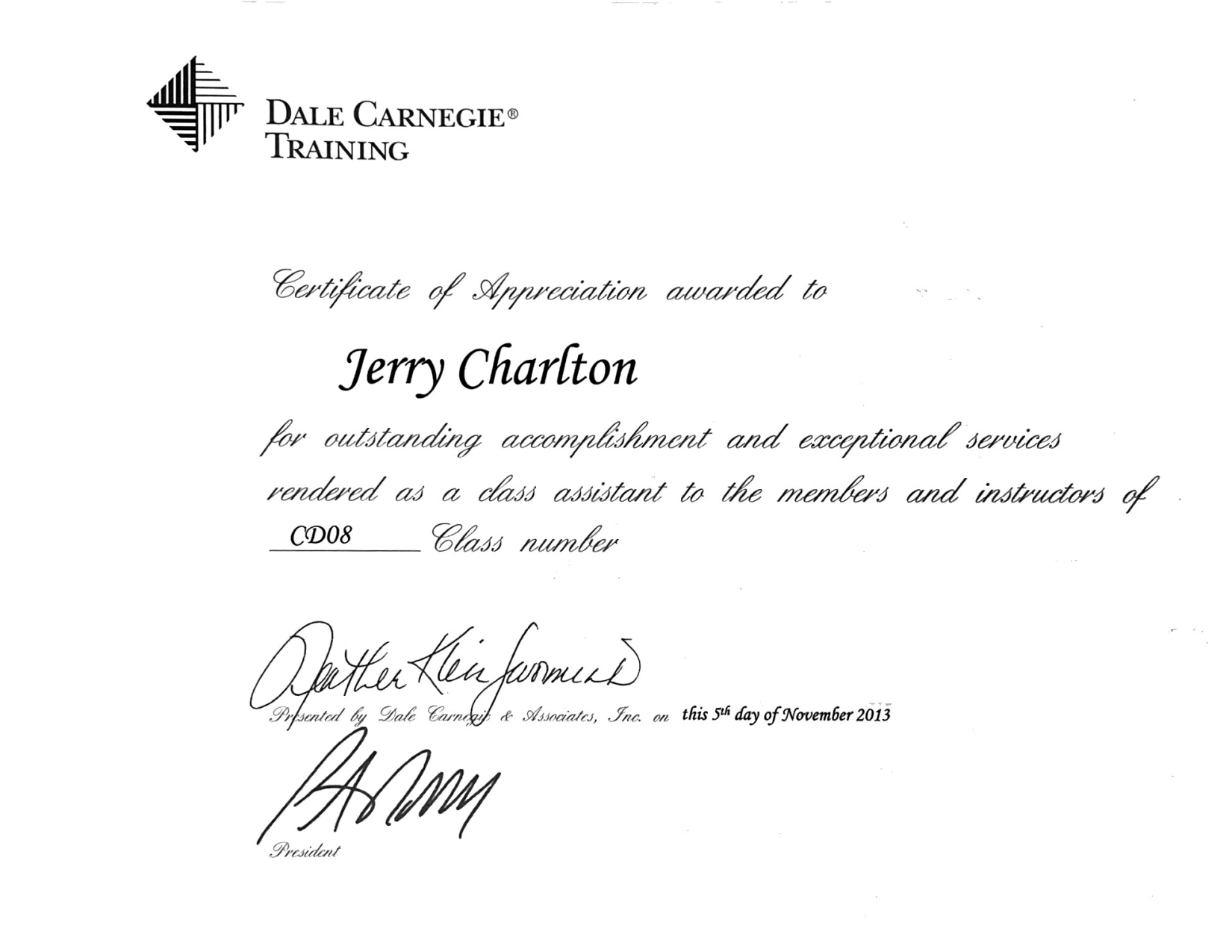
- Dale Carnegie: I completed The Dale Carnegie Course® on human relations and communication in April 2009, then went back as a class assistant in November 2013. Helping teach it locked the lessons in. (Our instructor hired me to sell her home)
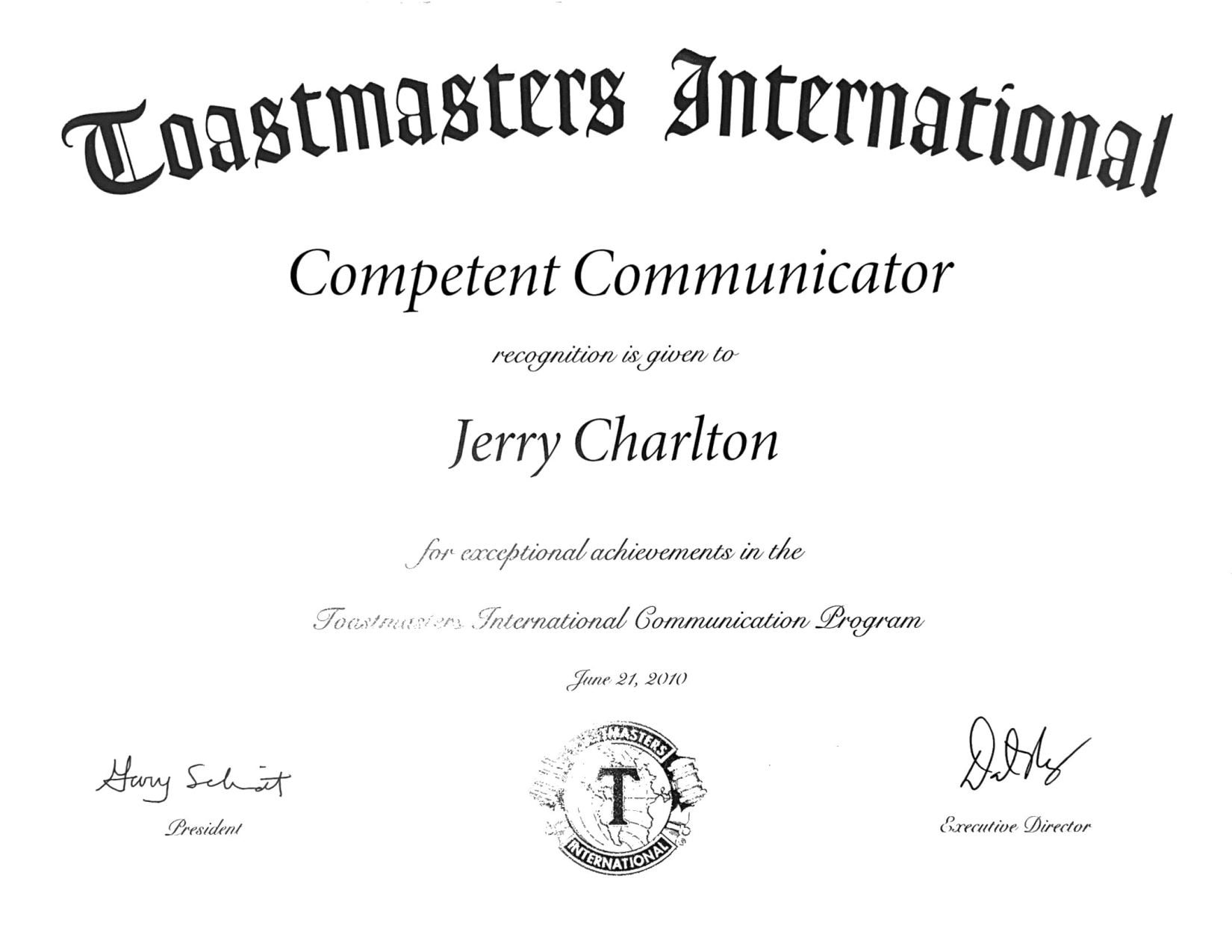
- Toastmasters: I earned my Competent Communicator award from Toastmasters International in June 2010. I joined to learn public speaking, and I did. The bigger surprise was learning to listen. In Toastmasters, every member evaluates other members’ speeches. You can’t do that well, or show the speaker proper respect, unless you lean in and really listen. Listening is the first skill every negotiator needs.
- Real estate foundation: Licensed in 2002 after passing the Real Estate Agents’ Program exam with 92%. Completed the Calgary Real Estate Board’s Commercial Real Estate Course in March 2004.
RENI describes the MCNE® as the most comprehensive negotiation designation in real estate.
Carnegie’s How to Win Friends and Influence People never uses the word negotiation. It could have been called Human Nature and How to Make It Work for You, Not Against You. It’s a negotiation manual in disguise. People say yes to someone who listens, respects their point of view, and lets them save face. Those habits close more gaps than any tactic.
The training gave me a framework, not just tips. Before the first offer goes in, I map out what each side needs, who holds the leverage, and the zone where a deal can happen. I also know how to handle the hard moments: angry parties, irrational demands, and sellers anchored on a number the market won’t pay.
Experience on every side of the deal
I’ve been licensed since 2002. Before I took my first client, I was negotiating for myself as an investor: buying income properties, doing rental flips, and managing properties for friends.
That means I’ve sat in every chair:
- Buyer spending my own money
- Seller deciding what to accept
- Landlord negotiating leases, renewals, and repairs with tenants and trades
- REALTOR® representing clients in Calgary
The negotiating doesn’t stop between deals. I still own and manage rental properties. Every lease, every contractor quote, every tenant conversation is live practice. My skills aren’t from a course I took years ago. They get used every week.
A library, not a weekend seminar
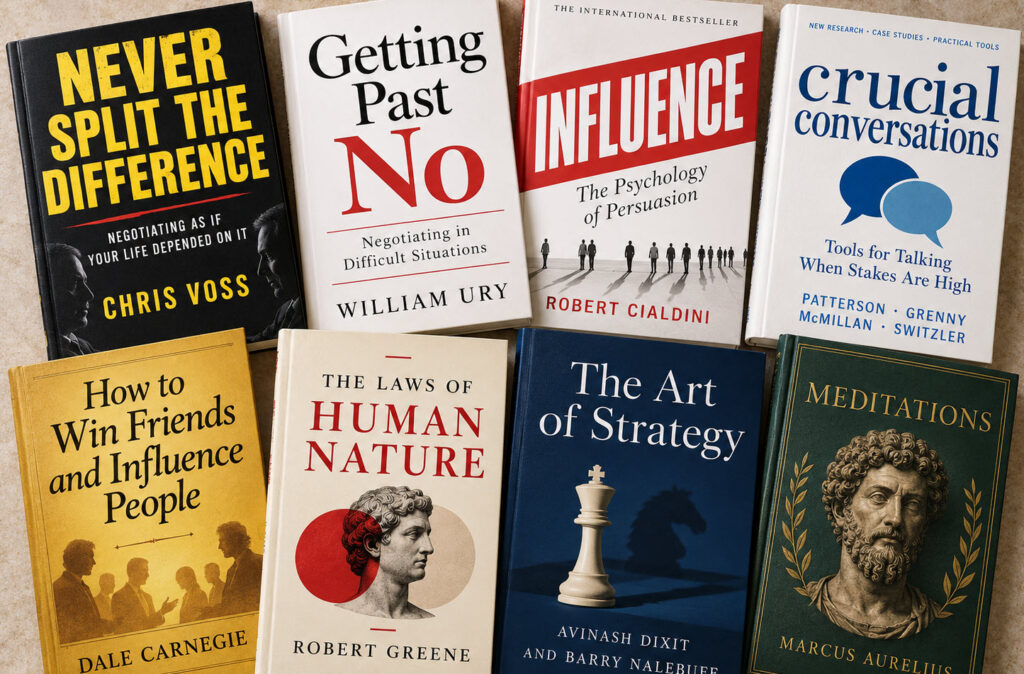
I keep studying. My shelves hold a large library on negotiation, persuasion, psychology, and strategy. The authors range from an FBI hostage negotiator to Harvard negotiation experts, game theorists, and a Roman emperor.
A few that shape how I work:
- Negotiation: Never Split the Difference (Chris Voss), Getting Past No and The Power of a Positive No (William Ury), Secrets of Power Negotiating (Roger Dawson), The Negotiating Game and Give and Take (Chester L. Karrass), Negotiating with Giants (Peter D. Johnston), The Transformative Negotiator (Michèle Huff)
- Persuasion and influence: Influence and Yes! (Robert Cialdini), Thank You for Arguing (Jay Heinrichs), Verbal Judo (George Thompson), Tongue Fu! (Sam Horn)
- Hard conversations: Crucial Conversations (Patterson, Grenny, McMillan, Switzler), How to Win Friends and Influence People (Dale Carnegie)
- Strategy and human nature: The Art of Strategy (Dixit and Nalebuff), The Laws of Human Nature and The 48 Laws of Power (Robert Greene)
- Composure: Meditations (Marcus Aurelius)
Each book adds a different tool. Some cover tactics. Others cover how people think under pressure. The real skill is knowing which tool fits the person across the table, and staying calm enough to use it.
What it looks like in your deal
- Preparation. I research the other party’s position before we write anything. Days on market, price history, why they’re moving, what they’ve already turned down.
- Terms, not just price. Possession date, conditions, deposit, inclusions. These often matter more to the other side than a few thousand dollars, and they’re where value gets traded.
- Composure. I’m not emotionally attached to your home or your purchase. That lets me stay calm when the other side pushes.
- Knowing when to walk. We set your limits before negotiating starts. Then we hold them.
- Protecting the deal after the offer. Inspection and condition negotiations are where many deals fall apart or lose money. I treat them as part of the negotiation, not an afterthought.
The most underrated tool: knowing when to stop talking
In 2014, a client wanted a specific home in Harvest Hills, in north Calgary. He was after a large 3-bedroom with a finished basement, an attached garage, and a big backyard. We’d been watching and waiting for the right one.
In the meantime, I recruited help. Another client lives in Harvest Hills and walks his dog every day. I asked him to watch for For Sale by Owner signs.
One evening he called. A small FSBO sign had just been taped to a garage door, with a phone number. It had been up for about an hour. The house sounded right, so I called and booked a showing that same evening.
I met my client at the house. The owner gave us a tour and told us his story. He was firm on three things: he wasn’t paying any real estate commission, doesn’t like realtors, and he wasn’t moving on price.
His firm no negotiating price was about $50,000 under market value. My client had already agreed that, for the right property, he’d cover my commission himself.
So most of my negotiating that night was keeping my mouth shut. No haggling. No pushing. No giving the seller a reason to rethink his number.
We left with a signed deal. After paying my commission, my client walked away with roughly $40,000 in instant equity. And still owns that home in 2026.
Knowing when to stay quiet is one of the most valuable negotiating skills I have, and I use it often. AI can tell you what a home is worth. It can’t tell you when to stop talking.
Jerry is very knowledgeable and supplied me with a variety of options / reasons for each house. He answered all my questions, addressed all my fears, and made me feel confident in my decisions. It was a smooth and efficient process! Hans
Use AI for the research. Bring me to the table to close deals.
Use every tool you have to learn the market. I do too. When it’s time to make or accept an offer, call me. That’s where a trained real estate negotiator earns their fee.
Jerry Charlton, REALTOR® eXp Realty 403 831 0842 · jerry@jerrycharlton.com
Leave a Reply